Figuring out what you can buy with your EBT card can sometimes feel like a puzzle! You might be at the grocery store, staring at the ice machine, and wondering if you can use your benefits to get a bag of ice to keep your drinks cold. The rules can be a little tricky, but we’re going to break down whether or not you can buy ice with EBT and what else you should know about using your card.
What EBT Covers
Yes, in most cases, you can buy ice with your EBT card. Your EBT card is designed to help you buy food items. Ice is generally considered a food item because it is used to preserve food or for consumption.
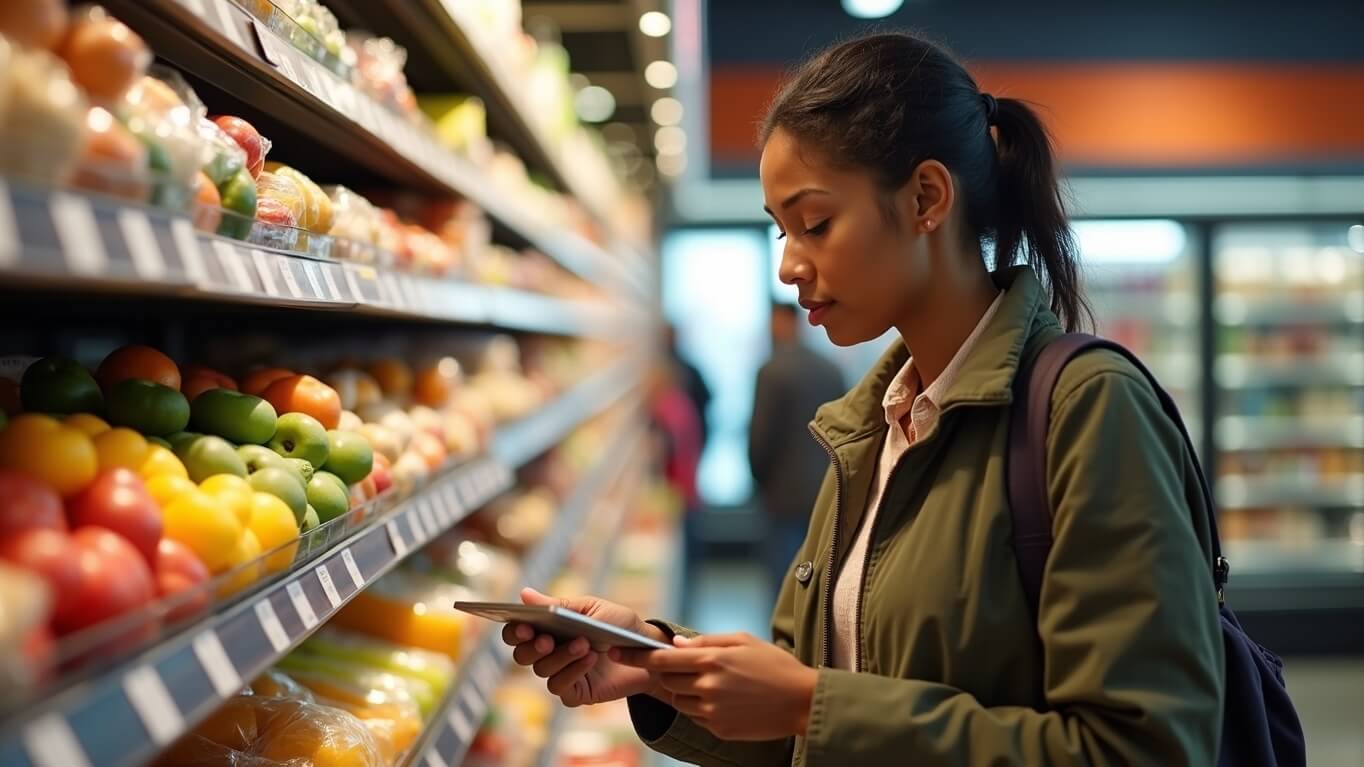
The Definition of “Food”
To understand what you can buy, it’s important to know what “food” means in the world of EBT. It’s not just about the stuff you eat for lunch and dinner! The USDA, who runs the SNAP program (which is what EBT uses), has a pretty broad definition.
Food is generally defined as anything meant to be eaten or drunk by people. Here are some examples of the types of things that are commonly considered food:
- Fruits and vegetables
- Meat, poultry, and fish
- Dairy products like milk and cheese
- Breads and cereals
- Snacks and non-alcoholic beverages
This definition also includes things that help preserve food, like ice. So, ice falls under the umbrella of food items.
Where You Can Buy Ice With EBT
Knowing you *can* buy ice with EBT is only half the battle. You also need to find a place that accepts EBT cards! Luckily, EBT cards are accepted at most grocery stores, supermarkets, and even some convenience stores.
You’ll want to look for the EBT logo displayed near the registers or the entrance of the store. If you’re not sure, it’s always a good idea to ask a cashier before you fill your cart with ice! Check for these common locations that accept EBT:
- Supermarkets, like Kroger, Safeway, and Whole Foods.
- Convenience stores like 7-Eleven and Circle K (though some may have restrictions).
- Farmers markets (often with special programs).
- Some local food retailers
Keep in mind that not every store will accept EBT. Stores that sell mainly non-food items are less likely to participate in the program.
What Else Can You Buy?
Beyond ice, your EBT card opens the door to a wide range of food options. You can stock up on ingredients for your favorite recipes, grab some fresh produce, or pick up some snacks for your next movie night. The key is to focus on items that are edible and meant for human consumption.
Here’s a quick look at some commonly purchased items and whether they’re EBT-eligible:
| Item | EBT Eligible? |
|---|---|
| Bread | Yes |
| Canned Goods | Yes |
| Soda | Yes |
| Hot Foods | Sometimes (see restrictions below) |
| Non-food items (paper towels, etc.) | No |
Remember that even some “ready-to-eat” meals, like rotisserie chicken, are allowed! Just avoid anything that isn’t truly a food item or that is specifically restricted by the program.
What You Can’t Buy with EBT
While your EBT card covers a lot, there are some things you can’t purchase with it. Understanding these restrictions will help you avoid any issues at the checkout counter.
The main things you can’t buy include:
- Alcoholic beverages (beer, wine, liquor)
- Tobacco products (cigarettes, e-cigarettes)
- Vitamins and medicines
- Pet food
You also can’t use your EBT to buy non-food items, such as cleaning supplies, paper products, or personal care items like shampoo. Additionally, you cannot pay for prepared food that you are not taking home. Be mindful of these restrictions when shopping!
Additionally, you can’t use your EBT card to pay for items that are not for human consumption. This can include pet food, or bird seed. You are also not allowed to use EBT to buy products like dietary supplements.
Potential Restrictions and Regional Differences
While the rules are generally the same across the country, there might be some slight variations depending on where you live. Some states or regions might have special programs or restrictions.
For example, some areas have “restaurant meal programs” that allow certain individuals (like the elderly or homeless) to use their EBT benefits to purchase prepared meals at participating restaurants. Check with your local EBT office or the state’s SNAP website for details about any local regulations.
It’s always good to check your local program rules, especially if you’re traveling to a new state or county, to avoid any surprises when you go to pay. You can typically find this information on the state’s Department of Health and Human Services website.
It’s also worth noting that certain programs, such as those for farmers’ markets, sometimes have unique rules or limitations. Always ask the vendor if you’re unsure about what items are eligible.
Tips for Using Your EBT Card
Using your EBT card can be a smooth experience if you follow a few simple tips. First, always keep your card and PIN safe and secure, just like you would with a debit card.
When you’re at the checkout, let the cashier know you’re paying with EBT before they start ringing up your items. This will help avoid confusion. Then, you’ll need to swipe your card and enter your PIN. You can also check your balance before you start shopping to make sure you stay within your budget.
- Keep your card and PIN safe.
- Inform the cashier before beginning the transaction.
- Check your balance before shopping.
- Keep your receipts to help you track your purchases.
Also, keep your receipts! They’re great for tracking what you’ve spent and can help you budget your benefits. Most importantly, remember that your EBT card is there to help you access nutritious food for yourself and your family.
So, can you buy ice with EBT? The answer is generally yes! Ice is considered a food item, which makes it eligible for purchase with your benefits. Remember to check store policies and follow the general guidelines for using your EBT card. Happy shopping!